Currently Empty: $0.00
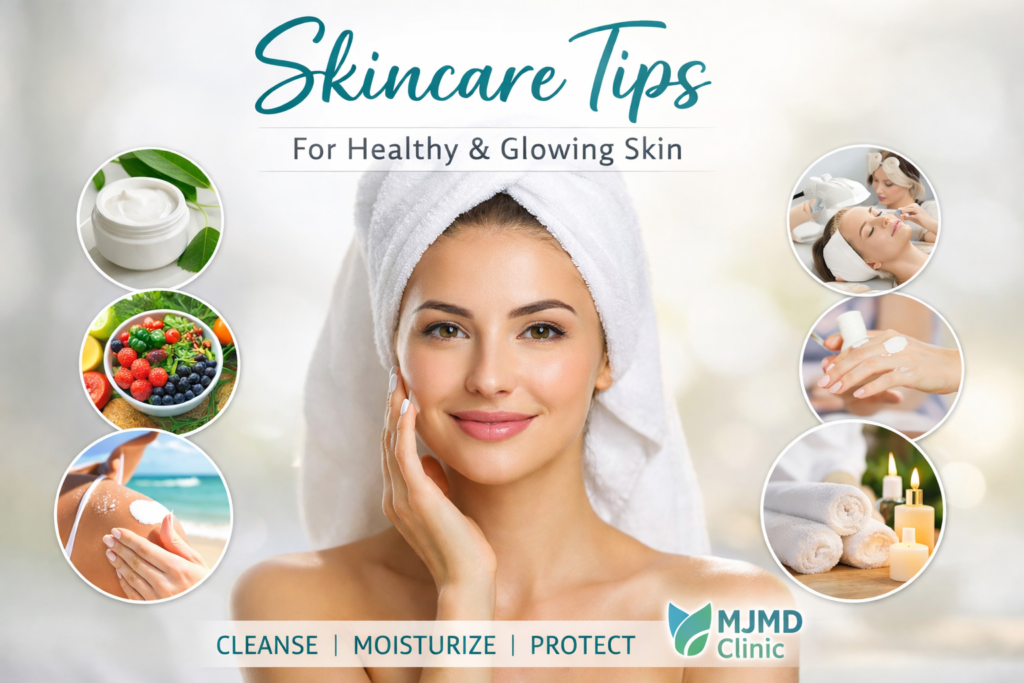
Healthy skin is an important part of overall wellness and confidence. Proper skincare not only improves your appearance but also protects your skin from environmental damage, aging, and common skin problems. By following a consistent routine and using the right products, anyone can maintain clear, healthy, and glowing skin. Below are some effective skincare tips that can help you build a strong skincare routine and keep your skin looking its best.
1. Understand Your Skin Type
The first step in building a skincare routine is understanding your skin type. Skin generally falls into five categories: normal, oily, dry, combination, and sensitive.
- Oily skin produces excess oil and may lead to acne and clogged pores.
- Dry skin often feels tight, rough, or flaky.
- Combination skin has both oily and dry areas, usually oily in the T-zone (forehead, nose, and chin).
- Sensitive skin may react easily to products and environmental factors.
- Normal skin is balanced and usually has fewer issues.
Knowing your skin type helps you choose the right products and treatments that will work best for your skin.
2. Cleanse Your Skin Properly
Cleansing is one of the most important steps in skincare. Throughout the day, dirt, oil, sweat, and pollution accumulate on the skin. If not removed, these impurities can clog pores and cause breakouts.
Use a gentle cleanser that suits your skin type and wash your face at least twice a day once in the morning and once before bedtime. Avoid harsh soaps that can strip the skin of its natural oils. Proper cleansing helps maintain a clean and fresh complexion.
3. Moisturize Daily
Moisturizing is essential for keeping the skin hydrated and healthy. Many people think moisturizers are only for dry skin, but every skin type needs hydration.
- Lightweight, oil-free moisturizers are best for oily or acne-prone skin.
- Thicker creams work better for dry skin.
Moisturizing helps maintain the skin barrier, prevents dryness, and keeps the skin soft and smooth. Applying moisturizer after cleansing locks in hydration and improves skin texture.
4. Always Use Sunscreen
Sun protection is one of the most important steps in preventing skin damage. Exposure to ultraviolet (UV) rays can cause premature aging, dark spots, wrinkles, and even increase the risk of skin cancer.
Apply sunscreen with at least SPF 30 every day, even on cloudy days. Sunscreen protects the skin from harmful UV rays and helps maintain an even skin tone. Reapply it every few hours if you are outdoors for long periods.
5. Maintain a Healthy Diet
What you eat also affects the health of your skin. A balanced diet rich in vitamins, antioxidants, and minerals can help improve skin appearance.
Foods that support healthy skin include:
- Fruits and vegetables
- Nuts and seeds
- Whole grains
- Fish rich in omega-3 fatty acids
Drinking plenty of water also keeps the skin hydrated and helps remove toxins from the body. Good nutrition plays a major role in maintaining clear and glowing skin.
6. Avoid Touching Your Face Frequently
Touching your face frequently can transfer bacteria, dirt, and oils from your hands to your skin. This can lead to clogged pores, irritation, and acne breakouts.
Try to avoid unnecessary contact with your face and keep your hands clean. Also, regularly clean items that touch your face, such as pillowcases, makeup brushes, and mobile phones.
7. Get Enough Sleep
Sleep is essential for skin repair and regeneration. During sleep, the body repairs damaged skin cells and produces collagen, which helps maintain skin elasticity and firmness.
Lack of sleep can lead to dull skin, dark circles, and premature aging. Aim for at least 7- 8 hours of quality sleep each night to allow your skin to recover and stay healthy.
8. Use Skincare Products Carefully
Using too many skincare products at once can sometimes irritate the skin. It is best to keep your routine simple and choose products that are suitable for your skin type.
Introduce new products gradually and check how your skin reacts. If irritation or redness occurs, stop using the product and consult a skincare professional if needed.
9. Manage Stress
Stress can negatively impact skin health and trigger conditions like acne, eczema, and psoriasis. High stress levels increase certain hormones that can lead to increased oil production and inflammation.
Practicing stress-management techniques such as exercise, meditation, and relaxation can help maintain both mental health and healthy skin.
10. Consider Professional Skincare Treatments
Sometimes professional treatments can help address specific skin concerns such as acne scars, wrinkles, pigmentation, or dull skin. Clinics that offer aesthetic and dermatological treatments can provide personalized skincare solutions.
Treatments like facial rejuvenation, chemical peels, and advanced skincare therapies can improve skin texture and appearance when performed by qualified professionals.
Conclusion
Healthy skin requires consistent care, the right products, and a balanced lifestyle. By understanding your skin type, maintaining a proper skincare routine, protecting your skin from the sun, and adopting healthy habits, you can achieve clear and radiant skin. Skincare is not just about appearance , it is an important part of overall health and well-being. Taking care of your skin today will help maintain its beauty and strength for years to come.